

This has been the year I started reading way more horror and science fiction (there’s a blog post somewhere in the pipeline about the latter), in general I’ve been moving back into genre reading (as opposed to literature). I’ve also been making the effort to diversify my reading list, which has come out pretty well so far.
Two caveats to this list:
1. These are books I read in 2024, and not necessarily books that were published this year.
2. If any of these books sound like something you want to read (and you should!) then I can’t stress enough how important it is to go buy your copies from your local, independent bookstore. Barring that, try out Bookshop.org, because a percentage of every book sold through there goes back to indie bookstores.
The Ministry for the Future – Kim Stanley Robinson
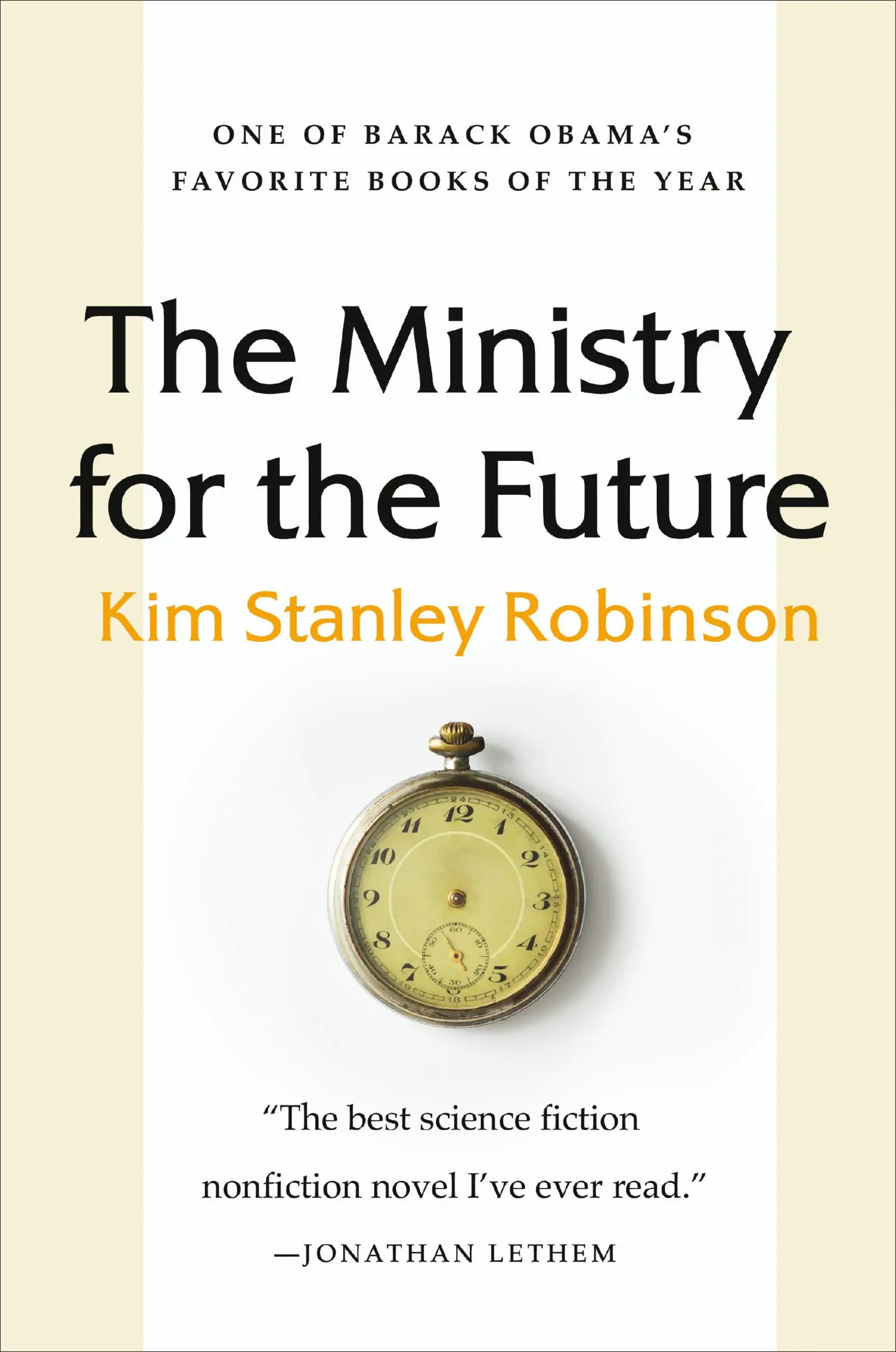
Presented as a work of nonfiction written in the future about the upcoming decades, 2020’s The Ministry for the Future has been one of the most powerful, hopeful books I’ve read in a long time. It presents a near future in which humanity, faced with the increasingly severe destruction brought on by climate change, saves itself from extinction through a decades-long, multinational and multifaceted global effort (which isn’t a spoiler, you know this going in). This is done by the creation of the UN’s Ministry for the Future, which operates under the framework that people who have yet to be born have the same legal, humanitarian rights as people who are currently alive. Because of this, it is the responsibility of those living today to ensure that they are leaving behind a better world than the one we currently live in.
The impetus for this change comes from the opening chapter of the book, in which a heat wave more severe than anything humanity has faced before kills thousands of people in India, in just a few days. The opening chapter depicts this through the eyes of an American humanitarian worker; in one of the most somber, horrific passages I’ve ever read, he tries to keep locals cool and hydrated, only to watch as more and more people drop dead from heat exhaustion and dehydration. The creation of the Ministry of the Future is in direct response to this incident, hammering into the reader the humanity underlying such a broad mission.
It quickly becomes apparent to the Ministry (whose leaders make up the protagonists of the story) that in order to save humanity from severe climate change, the world economy and overall government structure must move from the constant-growth model of capitalism into the equitable, resource-oriented system of socialism. The bulk of the novel is concerned with how the Ministry pulls this off, over the course of decades. Because you know going in that they succeed, the emphasis of the novel becomes less about what happens and more about how it’s achieved. Robinson offers a guidebook, veiled in fiction, as to how international and local legislature can be combined with economic reform and social pressures to move the people of this world (and the governments and oligarchs that buy into them) through the tremendous effort required to fix the planet for the future generations. Also of note is the violence that is enacted on certain billionaires and tycoons (in the form of targeted assassinations) in order to force these short-sided, greedy men to not only convert the fossil fuel industry into one of green energy, but to eventually make the ownership of wealth not something to desire, but something too dangerous to maintain. In light of the American health insurance industry’s response to Luigi Mangione’s recent actions, it’s hard not to see some validity to including the use of force (but against only the most greedy, selfish billionaires) in order to affect change for the good of billions of people.
For the most part, however, the Ministry’s methods are social and economic (to the point where the sections on economic reform are a bit dry, but I’m sure economy nerds will love it). It’s heavily grounded in realism, utilizing concepts and movements that already exist, today, in real life (such as the Half-Earth Project) to show how we could achieve this reality. The greener, healthier and more peaceful world that the book ends in is something that we can make, if we try. And in this way, in presenting a world that we must strive for, The Ministry for the Future achieves what truly great science fiction should: it gives us hope.
There Are Trans People Here – H. Melt

This 2021 collection by Chicago poet H. Melt is based on the simple premise of its title: trans people exist here, right now, in this world alongside everyone else. A tone of celebration carries through these poems of not just their lived experience, but of what a safe and loving and nurturing life could (and should) be like. This is most exquisitely depicted in a section of poems about a trans utopia, “Where every body / has a body / they believe in” and “Where we are taught / to love instead of kill / ourselves” and “Where there are no borders / between who we were / & who we are / Becoming.”
In imagining such a loving world, There are Trans People Here has an aim similar to The Ministry for the Future: showing how splendid this world could be if we continue to fight for every one of us, for “every body.” Its strength lies in its defiant optimism, and in the accessibility of the poems. This is an excellent primer for those who want to understand the experiences of trans people, not just in itself but in the stellar list of resources included in the back of the collection, ranging from films to books and links to trans-rights organizations that you can participate in.
Razorblade Tears – SA Cosby
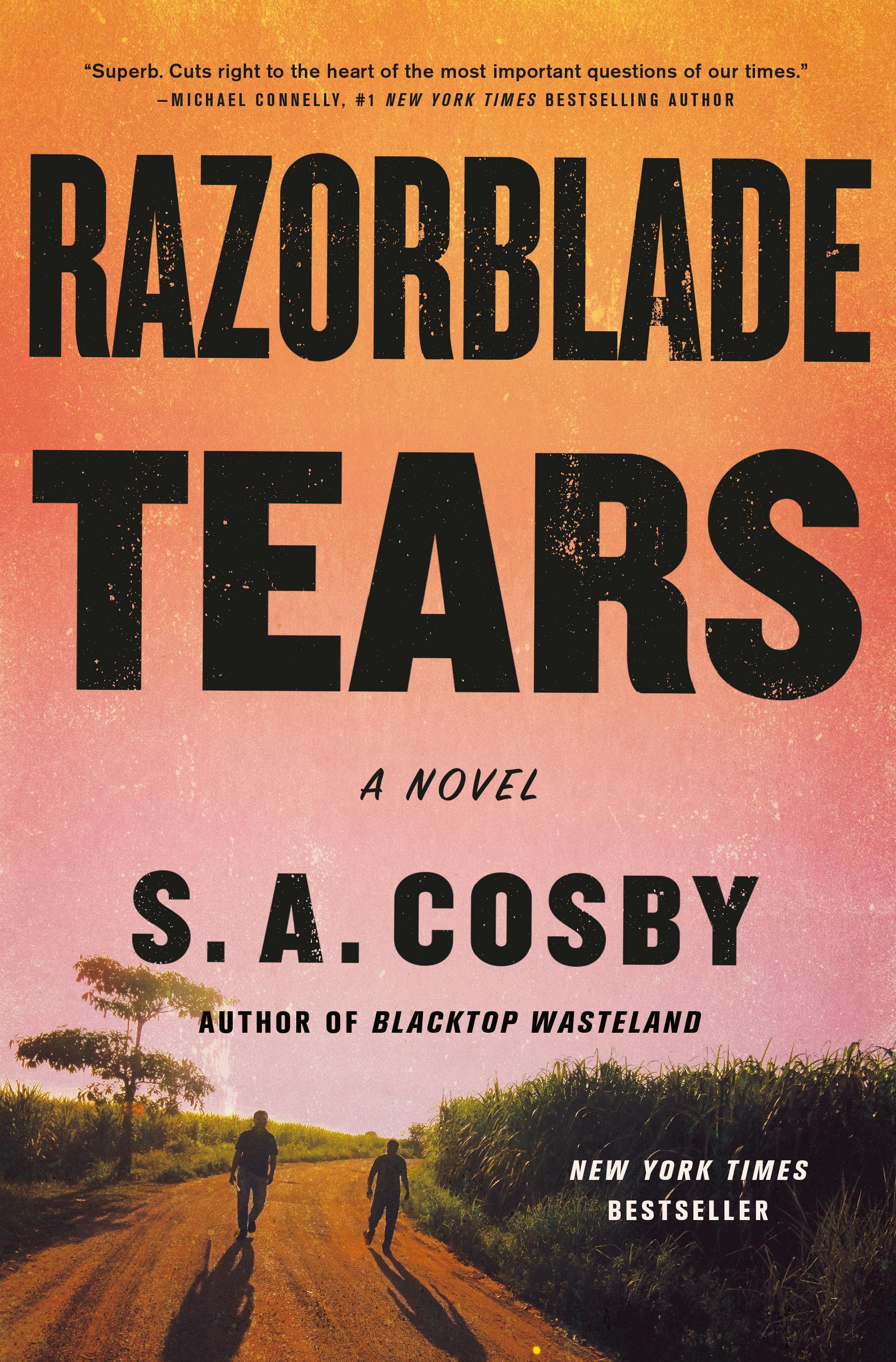
When the married sons of two hard, dangerous men are murdered, those men—one Black, one white—start off on a path of vengeance that will take them not just through the underworld of southeastern Virginia, but face-to-face with the ways in which their own prejudices led them to fail their sons and lose them long before their deaths. While on the surface a violent tale of revenge, Razorblade Tears is really an examination on grief, shame and the ways in which “traditional” masculinity fails the men who live it—recurring themes in SA Cosby’s work. These men, Ike and Buddy Lee, are forced to reconcile themselves with themselves (and with each other), while being pulled away from vengeance into saving other queer people from violent men (like them) who would harm them.
For all this, it’s a crime thriller at heart—terse and rough, whiskey-soaked with callused knuckles and a take-no-shit-from-no-man attitude. SA Cosby writes tight action that is really an analysis of violence, the conditions that form it and the ways in which its victims perpetuate it, all within the Black Southern perspective.
This Thing Between Us – Gus Moreno
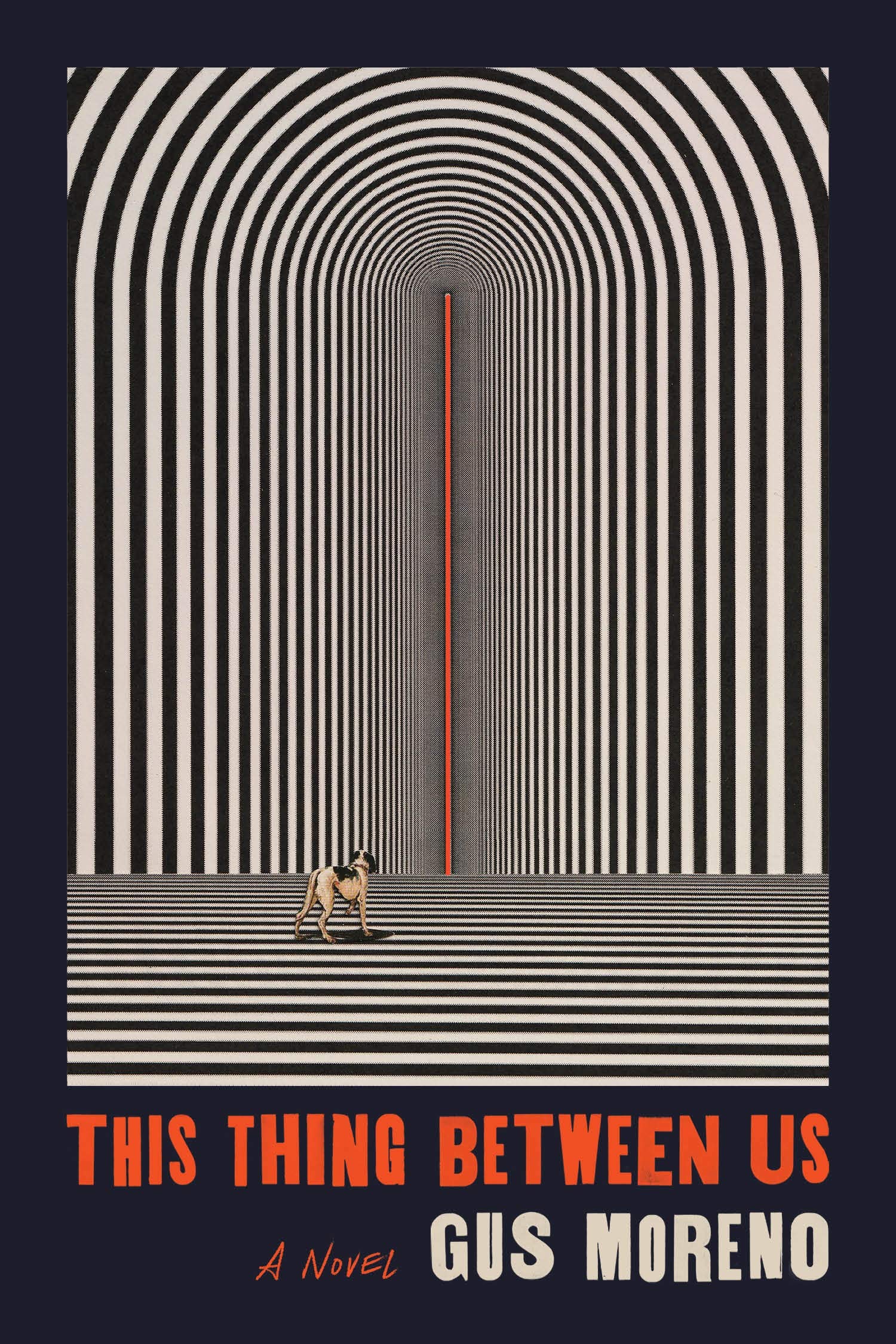
A heartbreaking narrative about grief and loss wrapped up as a horror novel, This Thing Between Us follows the haunting of widower Thiago by a supernatural entity. In the aftermath of his wife’s tragic, horrifying death, he tries to move on with his life but finds himself as tormented by her loss and he is by whatever it is that chases him from Chicago to Colorado… something that might have had a hand in her death.
Beautifully written, and overshadowed by a creeping, suffocating atmosphere, Moreno’s depiction of a man deep in mourning and wracked with paranoia alternates between scares and moments of elegant vulnerability. Thiago’s intimate narration is due to the entire novel being “written” by him as a letter to his dead wife. “When you died,” he writes, “I mourned you, but also the version of myself I was with you. So there were two deaths.”
And, “It hurt so bad to love something with you gone because you couldn’t experience this love with me.”
The sense of being pursued by something… else pervades the story, from surreal encounters at empty diners to looking into the rearview and finding out that you’re not alone on the midnight highway, the feeling that something is hunting from the shadows, just beyond the periphery, merges into the stark sense of loss as a second emotional through-line, giving the entire story a (pleasant) sense of ungrounding. If you want your horror creepy but meaningful, This Thing Between Us is for you, and Gus Moreno is a new writer to watch.
The Left Hand of Darkness – Ursula K Le Guin
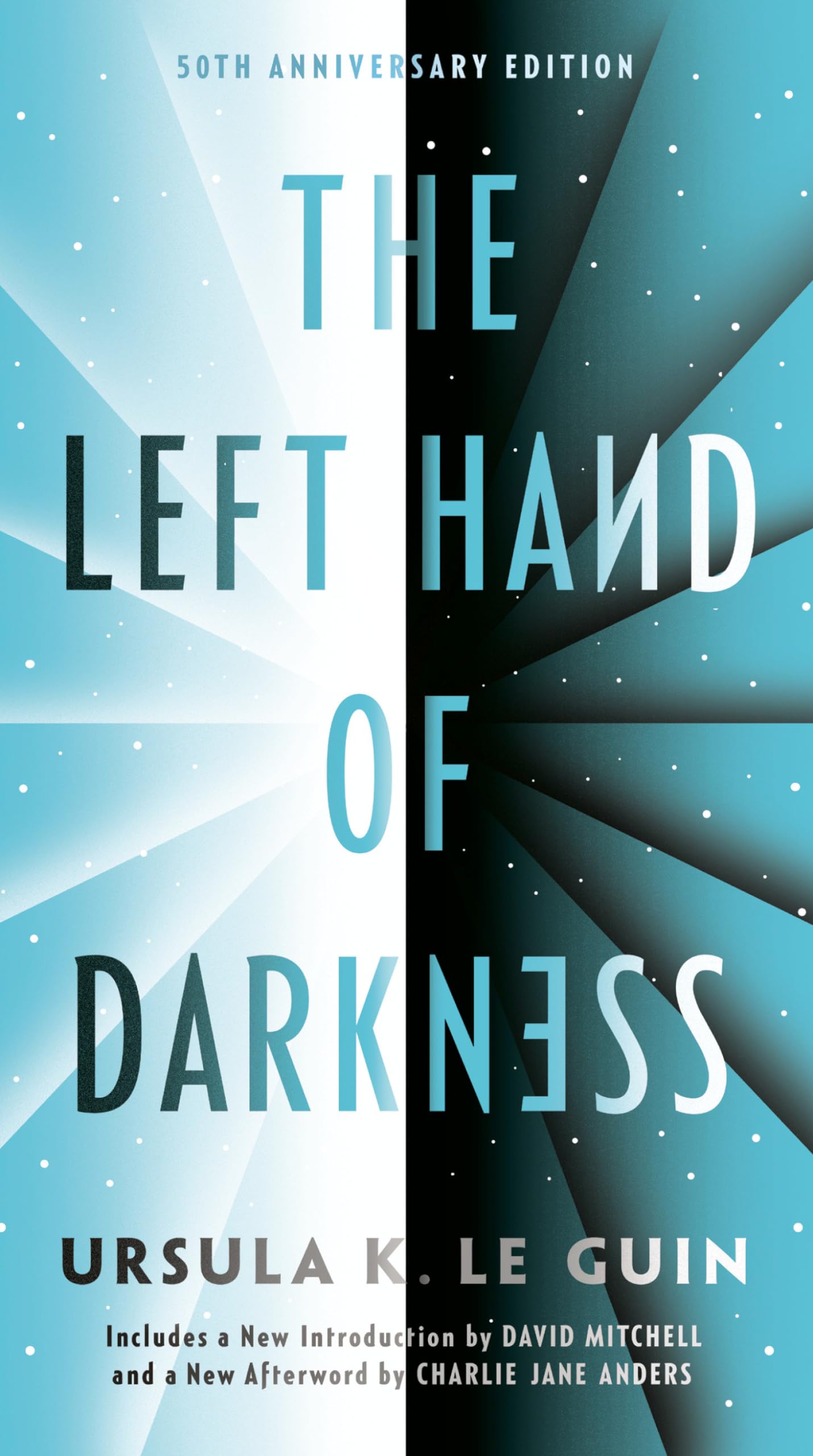
Even though it debuted in 1969, science fiction novel The Left Hand of Darkness presents an intriguing, nuanced look at gender identity that still resonates today. Set on the planet Gethen, the people who live here have evolved into hermaphrodites, assuming a different sex and gender identity once a month (when they enter their monthly mating phase, ‘kemmer’) in which, when pairing up, they change into either feminine or masculine roles. The main narrator is an envoy to the planet, who details his travels between two Gethenian societies in which he is viewed as a “pervert” for having a fixed sex and gender. He also finds himself caught in the politics between these rival nations, which ultimately forces him to rely on the one Gethenian he can’t stand, and yet who seems to be the only one who understands the monumental importance of the message he brings from the stars.
What’s most fascinating about Le Guin’s portrayal of the Gethenians is seeing how entire societies have been built around kemmer—how most of the time, the people are asexual and agender, except for once a month. Another major developmental factor to their societies is the severe cold that wracks the planet, and seeing how the people have adapted to it. For instance, there is little violent conflict between Gethenians, and there has never been a war, because the weather is too harsh to allow the excess use of resources and bodies that war requires. Le Guin gives us a vision of a society that is built around gender fluidity, normalizing this concept in a way that remains relevant, and inspiring, today.
Honorable mentions
These are two books that I thoroughly enjoyed, but couldn’t quite put in the “Top” list.
Don’t Fear the Reaper – Stephen Graham Jones
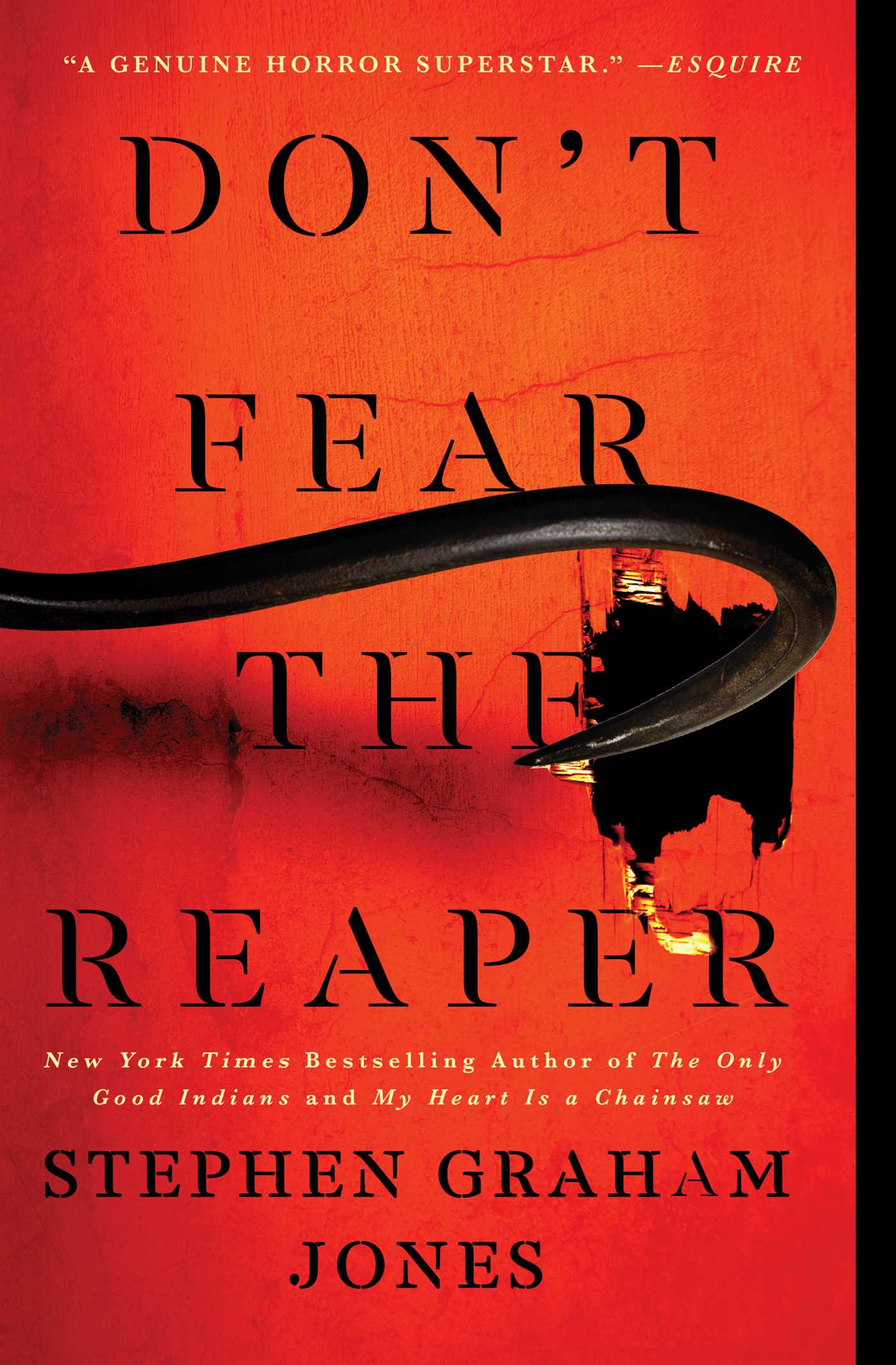
The second book in the Indian Lake meta-slasher trilogy, Stephen Graham Jones’s follow-up to My Heart is a Chainsaw continues the story of Jade Daniels: the living repository of slasher history, the final girl of final girls, and one of my favorite characters of all time. Returning to her hometown of Proofrock, Idaho, following the events of the first book, Jade finds her town trapped in a snowstorm on the same night that serial killer Dark Mill South escapes police custody and, seeking revenge for the 1862 murders of a group of Dakota men, initiates a vicious rampage across town. As the night wears on, however, it becomes clear that there’s something more to this bloodbath than what they can see…
The novel improves on its predecessor with far more action and unnerving tension, as well as the homages to multiple slashers like Friday the 13th and Black Christmas, while also continuing the trilogy’s entertaining and thoughtful deconstruction of the slasher genre. While the plot twists and reveals ultimately come out great by the end, it does feel convoluted at times, making it difficult to keep track of who is actually responsible for what. Despite this, Don’t Fear the Reaper is an excellent addition to a one-of-a-kind trilogy.
The Dead Take the A Train – Cassandra Khaw & Richard Kadrey
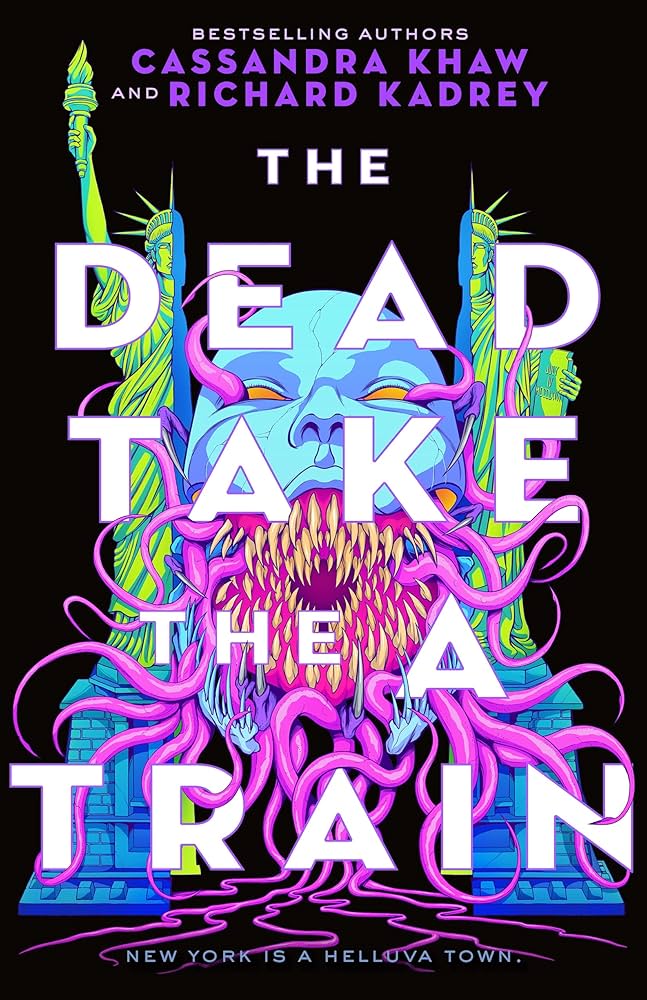
Urban horror-fantasy for grown-ups, The Dead Take the A Train depicts a New York City where magic and monsters not only exist, but are an open secret among the wealthy and powerful. We follow Julie Crews, a coked-up alcoholic thirty-something exorcist-magician whose job is to keep the monsters at bay—sort of a modern-day Constantine. She’s forced to take the worst, most dangerous jobs (despite being one of the most capable people in her field), due to her ex-boyfriend’s betrayal and from being constantly passed up for better opportunities due to the entitlement and nepotism of less qualified people. But when her best friend comes to her for help, Julie finds not only a purpose, but a reason to keep living.
Action-packed, gore-soaked and wracked with eldritch horrors (some of which serve as the patron saints of the most powerful Wall Street firms), this is one of the most imaginative books I’ve read in a long time. The plot felt a little disjointed at times, but the exceptional worldbuilding, brutal magic system and stellar character development helps pull it along. This is the first book in a planned trilogy, and I’m excited to see what madness Cassandra Khaw and Richard Kadrey throw us into next.
Image Credit:
Hatchette Book Group
Amazon
Macmillan Publishers
Amazon
Amazon
Simon & Schuster
Amazon
 John Stadelman
Leave a comment