
An Incomplete List of Modern Chicago Horror Book Recommendations
Nelson Algren famously said that, “Chicago is an October sort of city,” but it’s also a literary one, and that literature has a spooky side. For this year’s entry in my annual post about Chicago’s horror and haunts, I’ve put together a list of novels and anthologies that explore its shadowy alleys, cursed parks, and ominous ruins dripping with bloody histories, dredging up the skeletons that this city was built on.
They remind us that the past is never too far away, that the present is the domain of monsters, and that the future is a nebulous hope at best. Even the books on this list that aren’t set in Chicago still carry that presence with them.
This city is haunted, and these authors are its chroniclers.
Cynthia Pelayo
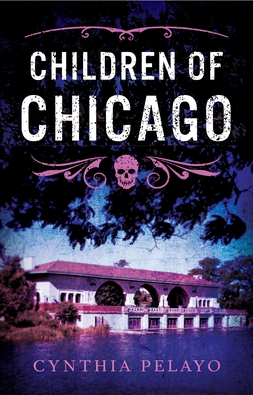
A detective investigating a series of murders in Humboldt Park finds herself battling the Pied Piper in Children of Chicago. In Forgotten Sisters, the titular Anna and Jennie, living by the Chicago River, are tormented by more than the creaking of their haunted house, but by the history of that river in ways deeply personal, quintessentially Chicagoan, and strikingly mythological.
In these novels, Pelayo brings fairy tales into the modern day, while simultaneously returning them to their darker roots. At the same time, she seamlessly fits them into the physical and cultural geography of Chicago in ways that are fascinating, horrifying, and unforgettable—and tied into the some of the most nightmarish episodes of city’s history.
Her most recent novel, It Came From Neverland—a twisted reimagining of Peter Pan—was released earlier this year. She also edited the even-more-recently released Something Followed Us Home: Tales of Latiné Horror, which anthologizes horror stories by Latiné authors across North, Central, and South America, including contributions by Isabel Cañas, Agustina Bazterrica, and Chicago-based Juan Martinez.
If you enjoy folkloric and fairy tale horror mixed with detective fiction, then Cynthia Pelayo is a must.
Never Whistle at Night: An Indigenous Dark Fiction Anthology
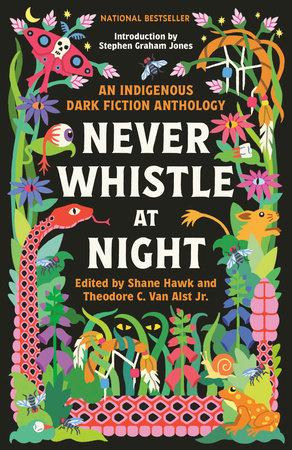
Speaking of anthologies, one of the editors for 2023’s immensely popular Never Whistle at Night is Chicago born-and-raised Theodore C. Van Alst Jr. Featuring dark fiction and horror by twenty-seven indigenous authors, the stories of Never Whistle at Night range from the supernatural to the brutally realistic. But whether drawing on traditional beliefs or set in the mundane, these are stories of colonialism’s legacy and ongoing violence, though often imbued with undercurrents reclamation, and revenge. Most importantly, though, it’s a celebration of indigenous creativity, and a testament to their survival.
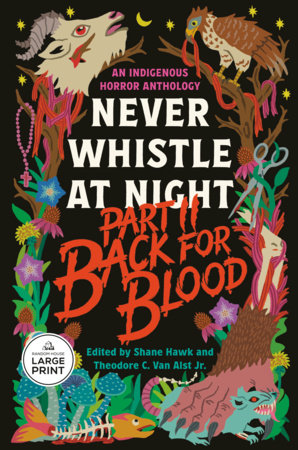
I recommend it for those qualities alone, but like all anthologies, it’s also a great way to discover more writers, and to widen your library of frightening work. The recently released sequel, Back for Blood, fully embraces the horror:
Red Line: Chicago Horror Stories
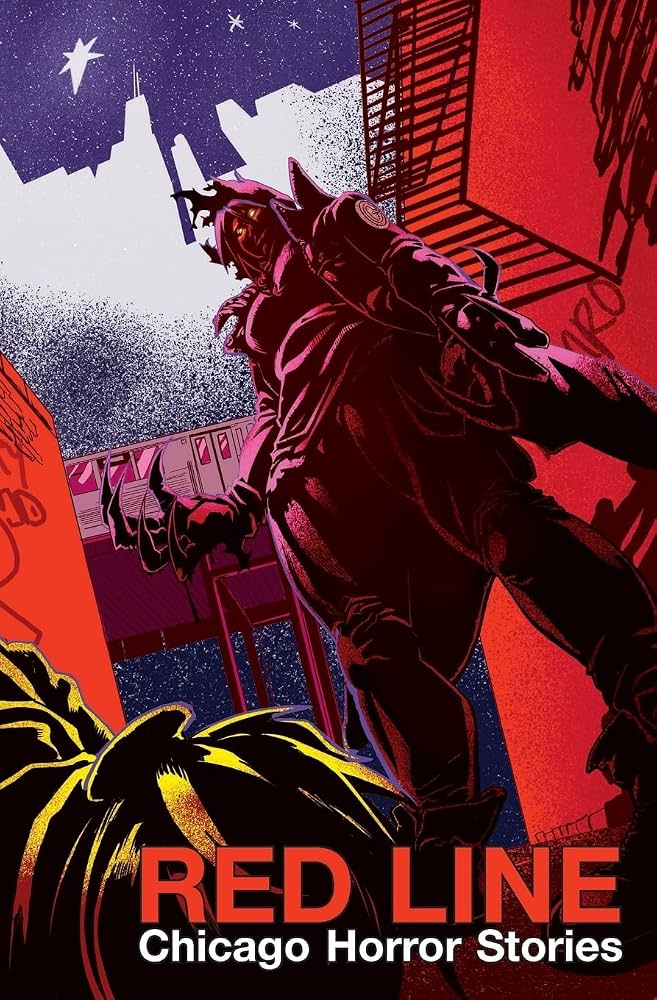
Another anthology, this one set firmly in Chicago. Red Line presents the city through its most harrowing episodes—from the hells of Dunning Asylum and H.H. Holmes’ Murder Castle, to a Jaws-esque tale set on the Chicago River and an episode of poetic, supernatural justice for a police shooting. These stories present an unflinching look at the darkest, bloodiest corners of Chicago, from its founding up to the present day, while remaining highly entertaining.
Read this one if you want historical horror that isn’t afraid to get its hands bloody.
Gus Moreno
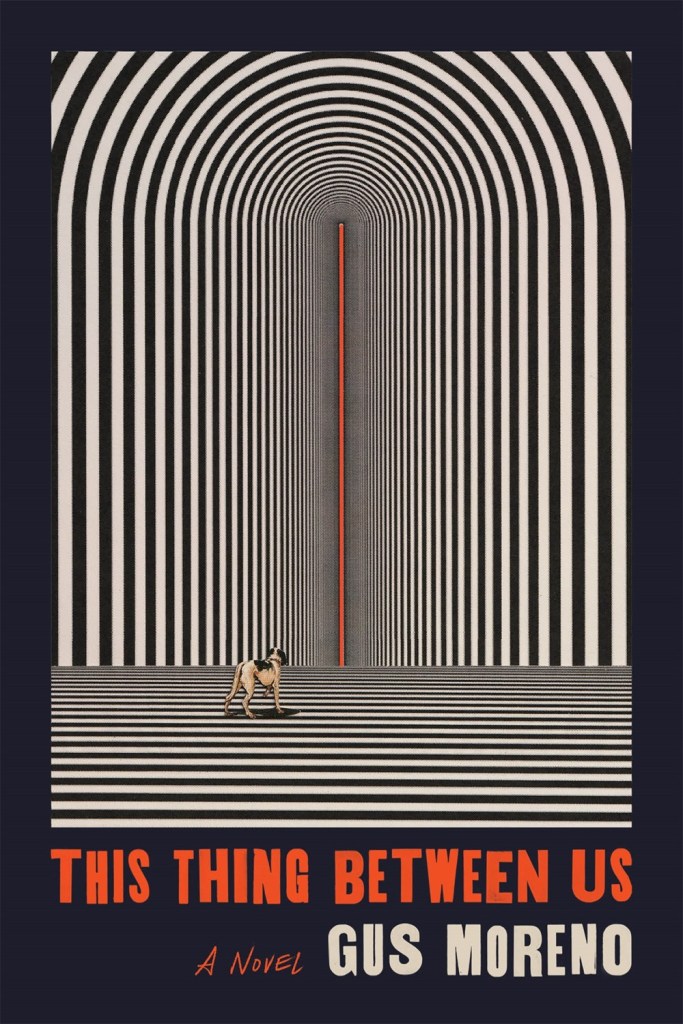
In 2021’s This Thing Between Us, Gus Moreno presents a haunting fever dream of a novel, a story of loss and grief in the form of a horror story (which I’ve already written about once here). Mourning the death of his wife, Thiago’s efforts to move on are complicated by the pursuit of an entity that follows him from Chicago to Colorado, as relentless as his all-consuming grief in its quest for his soul. The narrative suffocates the reader, as the inescapability of Thiago’s plight becomes increasingly apparent. A heartbreaking, profound mediation on loss, it never loses sight of its horror, presenting us with some truly frightening scenes.
“When you died I mourned you, but also the version of myself I was with you. So there were two deaths,” Thiago reflects. If that line hits home, then This Thing Between Us is a must-read.
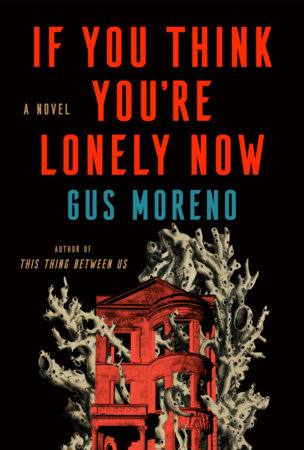
And if you want something set around here, what could be more Chicago than a haunted three-flat? Due out next year, Moreno’s If You Think You’re Lonely Now depicts the renovation of an old building that wakes up something that should have stayed sleeping…
SA Barnes
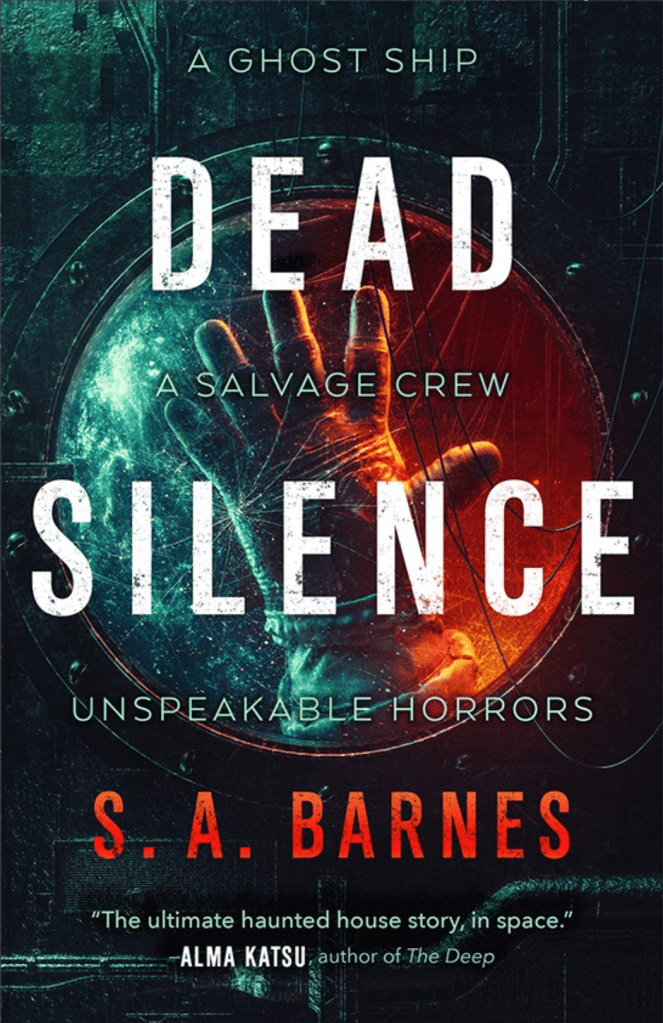
Heading up out of the atmosphere into that place where no one can hear you scream, Chicagoland resident SA Barnes (penname for romance and YA author Stacey Kade) has released three chilling, gruesome, claustrophobic sci-fi/horror novels that fans of Alien will absolutely love.
In Dead Silence, a salvage crew discovers a long-lost ghost ship out the vastness of space, a fabled luxury liner (like a space-yacht for the super-rich)… but they soon find that the mysterious threat that killed the passengers is still very much active, even if not all here is as it seems.
Then Barnes takes us planetside in Ghost Station, in which a small crew attempting to colonize an uninhabited planet is subjected to a horrific case of ERS—a new psychological disorder that has emerged with space-travel, and which can lead to violence and even murder. But as the situation deteriorates, another factor comes into play, something far more sinister and powerful than the breaking human mind…
And in Cold Storage, Barnes haunts one of science fiction’s most staid tropes—hyper-sleep—with the ghosts of malevolent AIs that have been set loose by a tech billionaire’s failed dream of immortality.
Barnes’ novels might be set in outer space, but at their heart they’re pure Gothic: the abandoned ships and stations are haunted houses with advanced technology, and the characters—particularly the protagonists—grapple with their traumatic pasts, their PTSD worsened by the resurgence of the dreadful histories of these places. In need for the Gothic set in space, but with viscera floating around in zero-g? Then these are the books for you.
Julia Fine
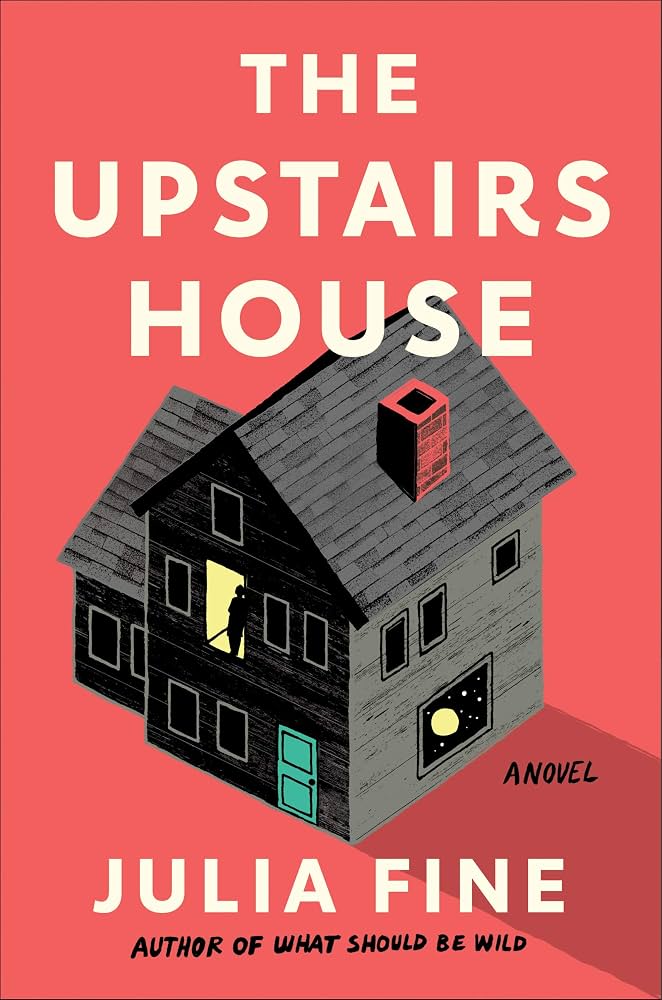
While 2018’s spellbinding What Should be Wild is more of a horror-adjacent dark fairy tale, 2021’s The Upstairs House settles slowly, but inescapably, into a supernatural horror show. After giving birth to her daughter, Megan Weiler is recovering—mentally and physically—and finds that her house has a secret door in it, a portal that leads into the world of Margaret Wise, the long-deceased author of Goodnight Moon. But once the ghost of Wise’s estranged lover, Michael Strange, arrives, this extraordinary situation warps into a battle for Megan’s sanity, and for the soul of her daughter.
This novel is pure psychological horror—we watch as Megan’s severe postpartum depression is exacerbated by her lack of social and emotional support, which is paired with Fine’s stark depiction of less-spoken-of aspects of women’s health post-childbirth, and replete with fears of being a bad mother, of failing one’s child.
For parents, this might be a cathartic read—if it doesn’t hit too close to home. For the childless, it can help gain insight (and empathy) into how hard it can be raising children, especially newborns. And (I’m speak to my fellow men right now) it’s an insightful look into the struggles that women face before, during, and after pregnancy—guys, we might think we understand how hard it is for mothers, but The Upstairs House will show you just how much we still have to learn. It’ll leave you seeking out ways to be kinder about a situation that we, frankly, don’t understand nearly enough about.
So, there’s the very incomplete list of modern Chicago horror book recommendations. They’re great reads for any time of the year, but especially in October, as the shadows lengthen and the chill in the air feels like an omen for something darker. Any work by any writer on this list is bound to scare you, thrill you, teach you something, and even make you think.
I’m curious, though.
Who did I miss?
Cover photo credit: halloweenprojectiondecor.com


Leave a Reply